A great traditional tattoo flash book gives you more than pretty pages—it offers proven motifs, clean linework, and a direct connection to the style’s roots.
Whether you want authentic reference, historical context, or a practical drawing guide, the right book can sharpen your eye and speed up your design process.
Best 10 Traditional Tattoo Flash Book Picks for 2026
Historic Archive Pick
Vintage Tattoo Flash: 100 Years of Traditional Tattoos

- Over 300 flash pieces from Jonathan Shaw’s collection
- Covers the first 75 years of American tattooing
- Large hardcover with unpublished original sheets
Best For: Deep historical study of American traditional tattoo flash
Master Stencil Collection
Sailor Jerry's Tattoo Stencils

- Stencils from the 1940s to early 1970s
- Classic motifs plus military and political cartoons
- Includes glossary, descriptions, and value appraisal
Best For: Reference-minded artists studying Sailor Jerry designs
Classic Bowery Reference
Flash from the Bowery: Classic American Tattoos, 1900-1950

- Covers classic American tattoos from 1900-1950
- Focuses on the Bowery-era tradition
- Schiffer hardcover for collectors and researchers
Best For: Early American tattoo history and Bowery-era reference
European Tattoo Heritage Pick
Christian Warlich: Tattoo Flash Book

- Over 300 restored hand-drawn designs
- Includes photos and archival material
- Bilingual edition with major historical context
Best For: Collectors interested in European tattoo history and flash
Classic Traditional Reference
Classic American Tattoos: 650+ Old School Designs

- Combines Volumes 1 and 2 in one book
- More than 650 line-drawing designs
- Compact size for studio or travel reference
Best For: Artists and collectors who want a broad old-school American tattoo reference.
Experimental Traditional Flash
The Cut-Ups: Tattoo Flash from the Third Mind
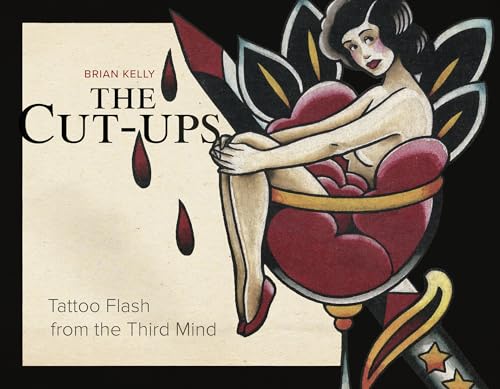
- Over 100 pages of flash artwork
- Classic motifs arranged in new combinations
- Brush-painted and spit-shaded traditional style
Best For: Artists who want traditional flash ideas with a collage-inspired twist.
Color Heritage Collection
Classic Flash in 5 Bold Colors

- Over 640 full-color flash examples
- Built around five bold colors
- Inspired by classic American tattoo legends
Best For: Readers who want a large, full-color traditional flash reference.
Beginner-Friendly Traditional Tattoo Drawing Guide

- 40 iconic traditional designs
- Step-by-step beginner learning system
- Includes Procreate brushes and workbook
Best For: Beginners and artists learning traditional tattoo fundamentals
Classic Flash Showcase

- Over 100 contemporary flash pieces
- Classic five-color tattoo palette
- Strong inspiration for tattoo pros
Best For: Artists and collectors wanting a large flash reference set
Traditional Flash Drawing Workbook

- 40 classic flash designs
- Step-by-step beginner-friendly lessons
- Includes brushes and practice workbook
Best For: Learners who want to practice classic tattoo flash drawing
Historic Archive Pick – Vintage Tattoo Flash: 100 Years of Traditional Tattoos
Vintage Tattoo Flash: 100 Years of Traditional Tattoos from the Collection of Jonathan Shaw
Check Price On AmazonIf you want a traditional tattoo flash book that feels more like a serious archive than a casual browse, this hardcover collects over 300 pieces from Jonathan Shaw’s private collection. It traces American tattooing from the Bowery era through Texas, the Pike, and early black-and-grey work in Los Angeles, with classic imagery like ships, hearts, roses, daggers, eagles, and skulls.
Best For: Buyers who want a deep visual history of American traditional tattooing and original flash reproductions.
Pros:
- Includes over 300 reproduced flash pieces from a major private collection.
- Focuses on the first roughly 75 years of American tattooing.
- Features unpublished sheets from well-known and lesser-known artists.
- Large hardcover format suits display and study.
Cons:
- More archival than instructional.
- Heavy, oversized book may not be ideal for travel.
This is a strong choice if you value historical depth and authentic source material over a how-to format. It gives you a broad, well-documented look at the roots of traditional tattoo imagery.
Master Stencil Collection – Sailor Jerry's Tattoo Stencils
For a traditional tattoo flash book centered on one of the most influential names in the style, this volume gathers a major portion of Sailor Jerry Collins’ stencils from the 1940s through the early 1970s. It showcases the line work behind pin-ups, roses, bluebirds, hearts, banners, and his military and political cartoons, making it useful for both reference and inspiration.
Best For: Artists and collectors who want Sailor Jerry reference material and a workbook-style resource.
Pros:
- Collects stencils spanning Sailor Jerry’s full tattoo career.
- Includes a wide range of classic motifs and cartoon work.
- Functions as both a design reference and workbook.
- Includes value appraisal, descriptions, and a glossary of tattoo terms.
Cons:
- Only 96 pages, so the collection is relatively compact.
- More focused on stencils than finished flash art.
This book is especially useful if you want to study foundational line work from a landmark traditional artist. It balances visual reference with practical context, which makes it a strong studio resource.
Classic Bowery Reference – Flash from the Bowery: Classic American Tattoos, 1900-1950
Cliff White'sFlash from the Bowery: Classic American Tattoos, 1900-1950 [Hardcover]2011
Check Price On AmazonIf you’re shopping for a traditional tattoo flash book with a true early-American feel, this volume focuses on classic American tattoos from 1900 to 1950. Based on the title and publication details provided, it’s positioned as a Schiffer hardcover devoted to the Bowery era and the look that helped define traditional tattooing.
Best For: Readers looking for a Bowery-era traditional tattoo reference book from the early 20th century.
Pros:
- Targets the early American tattoo period from 1900-1950.
- Centered on the Bowery tradition that shaped classic tattooing.
- Hardcover format from Schiffer Publishing.
- Good fit for collectors of historical tattoo books.
Cons:
- Supplied details are limited, so content specifics are less clear.
- No page count or image count was provided.
Because the available information is sparse, this is best treated as a focused historical title rather than a heavily documented art survey. It still looks appealing for anyone building a traditional tattoo library around early American imagery.
European Tattoo Heritage Pick – Christian Warlich: Tattoo Flash Book
This traditional tattoo flash book is a strong pick if you want a European counterpart to American flash history. It restores over 300 hand-drawn designs by Christian Warlich, along with photographs and archival material, and places his work in a broader historical context that includes his sea years and the tattoo culture of the Nazi era.
Best For: Buyers who want a historically rich tattoo flash volume with European and international influence.
Pros:
- Includes over 300 restored hand-drawn designs.
- Combines flash art with photographs and archival material.
- Explores Warlich’s influence across Europe, North America, and Asia.
- Bilingual edition adds accessibility for more readers.
Cons:
- Less centered on American traditional tattooing specifically.
- Likely more archival than step-by-step instructional.
This is one of the strongest choices if you want a flash book that expands beyond the usual American lineup. It offers both visual depth and historical framing, making it valuable for collectors and serious students of tattoo history.
Classic Traditional Reference – Classic American Tattoos: 650+ Old School Designs
If you want a traditional tattoo flash book that feels like a true old-school reference, this volume delivers a huge library of classic line drawings in one compact package. It combines Volumes 1 and 2, giving you more than 650 American traditional designs inspired by major names in tattoo history.
Best For: Tattoo artists, apprentices, collectors, and anyone building a classic flash reference library.
Pros:
- Includes the full content of Volumes 1 and 2 in one book
- Over 650 traditional designs and line drawings
- Covers a wide mix of motifs, from figures and portraits to animals, symbols, and fillers
- Compact 5.5 × 8.5-inch size for studio or travel use
Cons:
- Line drawings only, with no color flash
- Focused on classic American tradition rather than newer styles
This is a strong choice if you want a broad, historically rooted reference packed with recognizable old-school motifs. It works especially well as a practical inspiration source for artists who want traditional structure and variety in one book.
Experimental Traditional Flash – The Cut-Ups: Tattoo Flash from the Third Mind
For shoppers looking for a traditional tattoo flash book with a more creative edge, this title blends classic tattoo imagery with unexpected combinations. The designs use Brian Kelly’s cut-up method, mixing traditional motifs into brush-painted and spit-shaded flash that stays rooted in tradition while feeling original.
Best For: Tattoo artists, apprentices, and readers who want traditional-style flash with a collage-like twist.
Pros:
- Over 100 pages of tattoo flash
- Traditional imagery reworked into new, surprising combinations
- Brush-painted and spit-shaded designs
- Useful as inspiration for traditional and neotraditional work
Cons:
- Less useful if you want purely classic flash layouts
- Smaller page count than some larger reference collections
This book stands out when you want something traditional in style but less predictable in composition. It is a good fit for artists who want fresh ideas while still working within the visual language of classic tattoo flash.
Color Heritage Collection – Classic Flash in 5 Bold Colors
If you are comparing a traditional tattoo flash book with strong color presentation, this collection is built around vivid, heritage-inspired designs. It showcases more than 640 flash examples, distilled into five bold colors and modeled after classic American tattoo legends.
Best For: Artists and enthusiasts who want a large full-color traditional flash reference.
Pros:
- Over 640 full-color flash designs
- Inspired by major traditional tattoo legends
- Uses a consistent five-color palette
- Celebrates classic American tattoo heritage in a visual format
Cons:
- Less suitable if you specifically want line drawings only
- Focused on a curated color approach rather than broad style variation
This is a smart pick if color matters to your reference work and you want a large, cohesive set of traditional designs. It offers plenty of visual material while staying close to the look and spirit of old-school American tattooing.
Beginner-Friendly Traditional Tattoo Drawing Guide – How to Draw Tattoos
If you want a traditional tattoo flash book that teaches the fundamentals from the ground up, this Vault Editions guide is built for beginners and experienced artists alike. It walks through 40 iconic tattoo designs with a progressive step-by-step method, while also covering the symbolism and history behind classic imagery like eagles, skulls, panthers, and koi fish.
Best For: Beginners, hobbyists, and artists who want a structured way to learn traditional tattoo design basics.
Pros:
- Covers 40 classic tattoo designs in a step-by-step format
- Includes symbolism and historical context for traditional motifs
- Bonus Procreate brushes, color palette, and print-at-home workbook
- Also includes body placement practice sheets
Cons:
- Focused on learning to draw, not a large archive of finished flash sheets
- Digital bonuses may be less useful if you only want a printed reference book
This is a practical pick if you want to build tattoo-drawing skills with a clear learning path instead of just browsing flash. It is especially useful for readers who want traditional designs plus hands-on practice materials.
Classic Flash Showcase – Classic Flash 2
For shoppers looking for a traditional tattoo flash book with a strong visual reference library, this volume delivers over 100 contemporary flash pieces in the classic five-color palette of black, red, yellow, green, and brown. It is positioned as both a tribute to tattooing’s roots and a source of inspiration for artists who want to study bold, timeless flash imagery.
Best For: Tattoo artists and enthusiasts who want a large collection of flash art in a classic color framework.
Pros:
- More than 100 flash pieces to browse for inspiration
- Uses the classic five bold colors associated with traditional tattooing
- Honors tattoo history while also showing contemporary directions
- Well suited to professional collections and visual reference use
Cons:
- Less of a teaching guide than a pure reference and inspiration book
- May appeal more to artists already familiar with tattoo flash
This book makes sense if your main goal is to study a broad spread of flash pieces rather than follow lessons. It offers a strong blend of classic influence and modern experimentation for anyone building a tattoo reference library.
Traditional Flash Drawing Workbook – How to Draw Tattoo Flash
If you specifically want a traditional tattoo flash book that focuses on drawing classic flash designs, this Vault Editions title is a strong fit. It teaches 40 iconic flash motifs with a progressive step-by-step approach, including staples like daggers, roses, skulls, hearts, wolves, ravens, and more.
Best For: Beginners and developing artists who want to learn how to draw classic tattoo flash designs.
Pros:
- Teaches 40 traditional tattoo flash designs step by step
- Includes design symbolism and historical context
- Bonus Procreate brushes and a print-at-home gridded workbook
- Created with input from a tattoo artist with 15 years of experience
Cons:
- More instructional than gallery-style, so it is not mainly a flash art lookbook
- Focused on classic flash themes rather than a wide range of tattoo styles
This is a solid choice if you want a practical workbook-style guide for drawing traditional flash from scratch. The included practice tools make it especially useful for artists who want both instruction and repetition.
How We Picked the Best Traditional Tattoo Flash Book Options
We focused on books that are useful to tattoo artists, apprentices, and collectors, with an emphasis on authentic traditional imagery, strong reproduction quality, and practical value. We also considered whether a book works better as a historical archive, a flash reference, or a hands-on learning tool.
Quick Comparison: Which Type Fits Your Needs?
Not every Traditional Tattoo Flash Book serves the same purpose. Some are best for studying classic American and early flash styles, while others are better for sketching practice or building a flash wall reference library. If you want inspiration, choose image-heavy collections. If you want instruction, look for books that teach construction, shape, and shading.
Key Buying Factors for a Traditional Tattoo Flash Book
Authenticity of the Artwork
Look for books that preserve original tattoo flash language: bold outlines, simple color blocking, readable shapes, and classic motifs like eagles, anchors, roses, snakes, skulls, daggers, and pinups. The strongest references stay true to the style instead of modernizing it too much.
Print Quality and Page Clarity
High-contrast images matter. In a Traditional Tattoo Flash Book, line quality and color accuracy should be easy to study, especially if you plan to trace structure, compare proportions, or use the book as a drawing reference.
History Vs. Instruction
Some buyers want archival value and artist history; others want step-by-step learning. If you are building foundational skills, a how-to title may be more helpful than a pure photo collection. If you are an experienced artist, a historical collection may offer more inspiration and pattern ideas.
Format and Durability
Hardcover books tend to hold up better in a studio environment. Larger formats are often easier to use when you need to study line weights, composition, and flash layout at a glance.
Who Should Buy Which Traditional Tattoo Flash Book?
Beginners should look for instructional books that explain how traditional shapes are built from simple forms. Working tattooers may prefer dense reference collections with a wide range of classic designs. Collectors and style historians will likely value titles focused on legacy artists, original flash, and early American tattoo culture. If you want the most versatile option, choose a book that blends clear reproductions with enough variety to keep inspiring new custom designs.
In the end, the best Traditional Tattoo Flash Book is the one that matches your goal: learn the style, study the history, or keep a dependable reference on hand for daily design work.