The best 4K camera external recorders can extend your camera’s capabilities with higher-quality capture, longer recording times, flexible storage, and easier monitoring. The right choice depends on your camera outputs, desired frame rate, recording codec, and production environment.
Our 2026 roundup covers compact HDMI capture boxes, field monitors, camcorders, streaming switchers, and broadcast-focused recorders. Use the guide below to narrow the options by compatibility, workflow, and budget.
Best 10 4K Camera External Recorders Picks for 2026
Best Standalone Recorder

- PC-free HDMI recording to USB or TF card
- 4K60 passthrough with up to 4K30 capture
- H.264/H.265 support and pause/resume recording
Best For: PC-free 4K camera and HDMI recording
Best Camcorder Bundle
Canon VIXIA HF G70 4K Camcorder

- 4K UHD camcorder with HDMI output
- 20x optical zoom for events and interviews
- Dual SD slots for redundancy or longer shoots
Best For: 4K camcorder-based external recording setups
Best 4K60 Recorder

- True 4K60 HDMI recording without a PC
- Built-in 5-inch preview and playback screen
- Supports HDMI, AV, microSD, USB, and hard drives
Best For: Portable 4K60 capture and on-device monitoring
Best Multi-Camera Switcher
NearStream VM20 Pro Producer Kit
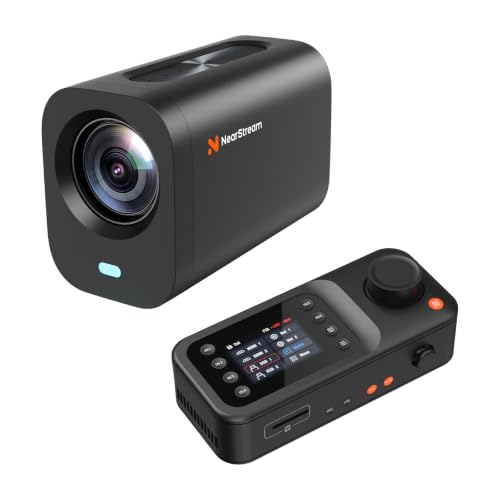
- Two HDMI and two USB-C UVC camera inputs
- Supports up to two RTSP IP cameras
- Combines Wi-Fi, Ethernet, HDMI, and USB-C sources
Best For: Multi-camera 4K production and streaming workflows
Best Compact 4K Recorder

- 4K video with a 150° wide-angle lens
- 120dB SPL X/Y microphones
- USB streaming and pocket-sized design
Best For: Musicians and creators needing portable video with built-in audio
Best Monitor Recorder

- Six-inch 1080p touchscreen display
- HDMI 4K 60Hz input and 3G-SDI connectivity
- USB recording up to 1080p30
Best For: Camera crews needing monitoring, conversion, and basic recording
Best Professional Deck
Blackmagic HyperDeck Studio 4K Pro

- 12G-SDI and HDMI 2.0 connectivity
- Records to SSDs and SD cards
- Supports ProRes, DNx, uncompressed, and H.264/H.265
Best For: Studio and broadcast workflows requiring professional recording and I/O
Professional Camcorder

- 4K UHD recording with XF-AVC and MP4 formats
- 3G-SDI and mini-HDMI outputs for external setups
- 15x optical zoom, dual SD slots, and dual XLR inputs
Best For: Documentary, journalism, events, and professional livestreaming
Standalone HDMI Recorder
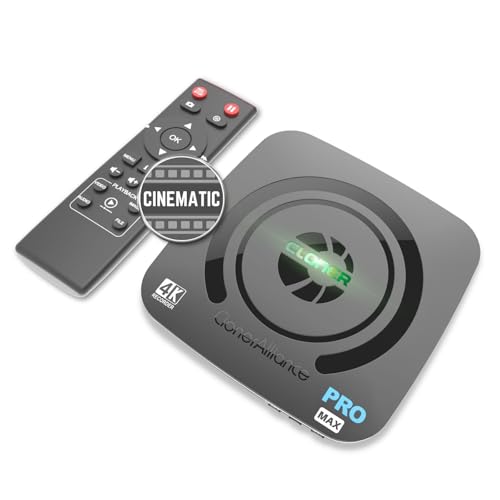
- Records 4K up to 30fps with H.264 or H.265
- Passes through 4K at 60fps over HDMI
- Supports PC-free recording and storage up to 8TB
Best For: HDMI cameras, DSLRs, gaming, and PC-free recording
Multi-Input Video Recorder

- Accepts HDMI, SDI, DVI, VGA, component, S-Video, and CVBS
- Takes 4K30 HDMI input but records at 1080p
- Includes HDMI loop-out and microphone/line audio support
Best For: Mixed-source AV, surveillance, conferencing, and legacy equipment
Best Standalone Recorder – ClonerAlliance UHD Pro 4K DVR
For shoppers comparing 4k camera external recorders, the ClonerAlliance UHD Pro is a standalone HDMI capture DVR that records to USB storage or a TF card without requiring a computer. It supports 4K recording up to 30fps, 4K60 passthrough, and H.264/H.265 encoding.
Best For: Camera users who want PC-free 4K recording, TV playback, and flexible storage options.
Pros:
- Records UHD video to USB storage or a TF card without a PC.
- Supports 4K60 HDMI passthrough and selectable recording resolutions.
- Includes pause/resume recording, schedule tasks, and H.264/H.265 codecs.
- Works with cameras, camcorders, DSLRs, laptops with HDMI output, and other HDMI sources.
Cons:
- Records 4K at up to 30fps rather than 4K60.
- HDCP-protected sources are not supported.
- Included editing and conversion software is for Windows only.
The UHD Pro is a practical choice when simple, standalone operation matters more than computer-based workflows. Check source compatibility carefully, especially for HDR, Dolby audio, and HDCP-protected content.
Best Camcorder Bundle – Canon VIXIA HF G70 4K Camcorder
Among 4k camera external recorders and camera setups, the Canon VIXIA HF G70 provides the capture source itself, with HDMI output for sending clean 4K video to a monitor or external recorder. Its 20x optical zoom and dual SD slots suit extended event and interview work.
Best For: Events, interviews, performances, and creators who need a 4K camcorder with HDMI output.
Pros:
- Captures 4K UHD video using a 1/2.3-inch CMOS sensor and DIGIC DV 6 processor.
- 20x optical zoom helps frame distant subjects while maintaining sharpness.
- HDMI output supports monitors, livestreaming, and external recording workflows.
- Dual SD slots can support redundant recording or longer shoots.
Cons:
- This is a camcorder, not a standalone external recorder.
- The supplied details do not specify an included external recording device.
- The bundle’s listed accessories add portability but may not replace dedicated audio or recording gear.
The HF G70 makes sense if you need both a 4K camera and an HDMI-ready source for an external recorder. It is less suitable if your priority is recording an existing HDMI feed without buying a camera.
Best 4K60 Recorder – TEC TMREC-4KMAX HDMI Recorder
The TEC TMREC-4KMAX is a strong option for shoppers seeking 4k camera external recorders with true 4K60 capture. It records HDMI input without a PC, includes a built-in 5-inch display for previewing, and accepts HDMI, AV, and CTIA microphone or headphone connections.
Best For: Users who want portable, button-operated 4K60 recording with on-device preview and playback.
Pros:
- Records HDMI video at up to 4K60 for high-frame-rate footage.
- Built-in 5-inch LCD screen allows recording preview and playback.
- Supports HDMI, AV, and 4-pole CTIA audio connections.
- Works with USB flash drives, microSD cards, and external hard drives.
Cons:
- Storage support is listed up to 512GB for USB or microSD and 2TB for external hard drives.
- The supplied details identify desktop compatibility but do not specify a computer capture workflow.
- Its 1-year manufacturer warranty is shorter than some extended-service options.
With 4K60 recording, a built-in screen, and broad input support, the TMREC-4KMAX is convenient for field or desk use. Its storage limits are worth checking if you plan especially long recordings.
Best Multi-Camera Switcher – NearStream VM20 Pro Producer Kit
For multi-camera 4k camera external recorder workflows, the NearStream VM20 Pro is a production switcher kit rather than a simple recording box. It accepts two HDMI inputs, two USB-C UVC cameras, and up to two RTSP IP cameras over Wi-Fi or Ethernet.
Best For: Multi-camera streaming and production setups combining HDMI, USB-C, and network cameras.
Pros:
- Supports two HDMI camera inputs for conventional production sources.
- Accepts two USB-C UVC camera inputs.
- Can add up to two compatible RTSP IP cameras through Wi-Fi or Ethernet.
- Designed as a flexible multi-camera production setup with 4K video resolution listed.
Cons:
- It is a camera producer and streaming switcher, not described as a standalone file recorder.
- Compatibility depends on the connected cameras and RTSP sources.
- The supplied details do not specify storage, recording codecs, or recording media.
The VM20 Pro is best viewed as the control center for a multi-camera production, especially when HDMI, USB-C, and IP sources need to work together. Choose a dedicated HDMI recorder instead if direct file capture is your main requirement.
Best Compact 4K Recorder – Zoom Q2n-4K
The Zoom Q2n-4K is a pocket-sized option for shoppers comparing 4k camera external recorders for concerts, rehearsals, streams, and creator videos. It combines 4K video, a 150-degree wide-angle lens, built-in X/Y microphones, and USB streaming in a compact body.
Best For: Musicians, streamers, and filmmakers who want an all-in-one 4K video and audio recorder.
Pros:
- Records UHD 4K video with five field-of-view settings.
- X/Y microphones handle sound levels up to 120dB SPL.
- HDR and 12 scene presets help adapt to changing lighting.
- USB connection supports streaming to platforms including YouTube and Twitch.
Cons:
- No image stabilization is listed.
- Uses two AA batteries and Micro SD media.
- Fixed focus may be less flexible for changing subject distances.
The Q2n-4K is a practical choice when portability and integrated audio matter more than interchangeable lenses or advanced external-input workflows. Its wide view and high-SPL microphones make it particularly suitable for live music.
Best Monitor Recorder – FEELWORLD CUT6S
The FEELWORLD CUT6S suits buyers seeking 4k camera external recorders with on-set monitoring and recording features. Its HDMI 2.0 input accepts 4K 60Hz signals, while the monitor records compatible camera video at up to 1080p30 to a FAT32 USB flash drive.
Best For: DSLR and video crews that need a touchscreen monitor, signal conversion, LUT support, and basic USB recording.
Pros:
- Six-inch 1920×1080 touchscreen provides a detailed monitoring view.
- Supports HDMI 2.0 input with 4K 60Hz signals.
- 3G-SDI input and output enable SDI-to-HDMI monitoring and loop-through.
- Waveform, histogram, vector, and RGB parade tools assist exposure and focus checks.
Cons:
- Recording is limited to compatible video up to 1080p30.
- USB recording requires a FAT32 flash drive.
- NP-F battery is not included in this package.
The CUT6S is more of a field monitor with recording capability than a standalone 4K recorder. It is a strong fit when monitoring tools, SDI connectivity, and LUT-enabled output are central to the setup, but buyers should plan for separate battery power.
Best Professional Deck – Blackmagic HyperDeck Studio 4K Pro
The Blackmagic HyperDeck Studio 4K Pro is designed for professional workflows that require a rackmount 4K camera external recorder with extensive connectivity and media options. It records to SD cards or SSDs and supports formats including ProRes, DNxHD, uncompressed video, and H.264/H.265 10-bit 4:2:2.
Best For: Broadcast, studio, and live-production environments using SDI, HDMI, switchers, and professional timecode or reference connections.
Pros:
- Provides 12G-SDI and HDMI 2.0 inputs and outputs.
- Supports two 2.5-inch SSDs plus two SD card slots.
- Offers multiple professional recording formats, including 10-bit 4:2:2 H.264/H.265.
- Includes timecode, reference, RS-422 control, 10Gb/s Ethernet, and embedded audio support.
Cons:
- Its 1 RU, 7.9-pound design is less portable than compact recorders.
- Power cord is not included.
- Its professional connectivity may be excessive for simple camera recording.
The HyperDeck Studio 4K Pro is the most capable option here for integrated production systems and high-end media handling. It makes sense for users who can take advantage of SDI, SSD recording, timecode, and deck-style controls rather than casual creators seeking a lightweight recorder.
Professional Camcorder – Canon XA75
The Canon XA75 is a practical choice for creators who need a complete camera rather than a standalone recorder. For 4k camera external recorders setups, its 4K UHD capture, mini-HDMI and 3G-SDI outputs provide flexible connections to professional displays and recording equipment.
Best For: Documentary filmmakers, journalists, event streamers, and production teams needing integrated optics, audio, and professional video outputs.
Pros:
- Records 4K UHD at up to 160Mbps and supports XF-AVC and MP4 formats.
- Includes mini-HDMI and 3G-SDI outputs for external equipment.
- Combines a 15x optical zoom, optical stabilization, dual SD slots, and two XLR inputs.
- Supports USB Type-C UVC HD livestreaming to a PC or Mac.
Cons:
- It is a full camcorder, so it may be more equipment than users seeking only an external recorder need.
- The listed digital zoom and optical zoom specifications are very different; users should prioritize the 15x optical zoom for image quality.
The XA75 stands out as the most self-contained option here. Its lens, stabilization, storage, monitoring, and professional audio inputs reduce the need to assemble a separate camera-and-recorder system, while the SDI and HDMI outputs leave room for an external recording workflow.
Standalone HDMI Recorder – ClonerAlliance UHD Pro Max
The ClonerAlliance UHD Pro Max is designed for people who already have a compatible HDMI source and want standalone recording. Among 4k camera external recorders, it is especially flexible for 4K HDMI cameras, DSLRs, and other devices, with 4K passthrough, H.264/H.265 encoding, and recording without a PC.
Best For: Creators, gamers, and camera users who need PC-free HDMI recording, 4K passthrough, or UVC capture across Windows, Mac, and Linux.
Pros:
- Records 4K at 24fps/25fps and up to 30fps with a stated bitrate of up to 50Mbps.
- Passes through 4K at 60fps with low-latency HDMI monitoring.
- Supports H.264 and H.265 recording, pause/resume, scheduling, snapshots, and audio extraction.
- Can store footage on USB drives, MicroSD cards, or external hard drives up to 8TB.
Cons:
- It does not support HDCP-protected content.
- It requires a separate HDMI source, so it does not replace a camera.
This is the most purpose-built external recorder in the group. Its PC-free operation and broad storage options suit long or repeatable recording sessions, while 4K60 passthrough lets users monitor or display the source at its full passthrough resolution even when the recording frame rate is lower.
Multi-Input Video Recorder – UNISHEEN UR550 4K Capture Box
The UNISHEEN UR550 is a versatile capture box for mixed professional AV environments. For 4k camera external recorders applications, it accepts HDMI and SDI alongside legacy sources, takes 4K30 HDMI input, and records the incoming video at 1080p while providing HDMI loop-out for live monitoring.
Best For: Surveillance, conferencing, live production, presentations, and setups that combine modern cameras with older video equipment.
Pros:
- Accepts seven signal types: HDMI, SDI, DVI, VGA, YPbPr, S-Video, and CVBS.
- Supports 4K30 HDMI input with HDMI loop-out for real-time display or projection.
- Provides microphone and line audio inputs plus line output for external audio equipment.
- Includes screenshots, remote control, and footage-capture functions.
Cons:
- Its stated recording resolution is 1080p, not 4K.
- It is less suitable when the primary requirement is recording 4K footage.
- The supplied notes do not specify a current software-update date.
The UR550 is best understood as a connectivity-first recorder rather than a 4K recording solution. Its broad input selection and audio mixing make it useful for complex installations, but buyers wanting preserved 4K recordings should look carefully at the stated 1080p recording limitation.
How We Picked the Best 4K Camera External Recorders
We evaluated these 10 products by looking at recording resolution, supported frame rates, input and output connections, codec options, storage methods, monitoring features, portability, and intended use. We also considered whether each device records independently or requires a computer, since that distinction can significantly affect setup complexity.
The selection includes HDMI capture DVRs, professional SDI and broadcast hardware, camera-mounted monitors, dedicated camcorders, and streaming tools. Because these categories serve different buyers, the “best” recorder is the one that fits your existing equipment and workflow rather than simply the model with the highest headline specification.
Quick Comparison
- For straightforward HDMI recording: Choose a standalone 4K recorder with H.264 or H.265 encoding and onboard storage support.
- For camera monitoring: A field monitor with recording functionality can combine framing, exposure assistance, and capture in one unit.
- For live production: A streaming switcher is better suited to multiple sources, overlays, and direct distribution.
- For professional facilities: SDI-capable recorders offer the connectivity and reliability expected in studio and broadcast environments.
- For all-in-one shooting: A 4K camcorder avoids compatibility concerns between a separate camera and external recorder.
Key Buying Factors for 4K Camera External Recorders
Resolution, Frame Rate, and Passthrough
Confirm whether the unit actually records 4K or only passes a 4K signal through to another display. Also check the maximum recording frame rate. Some models support 4K at 24 or 30 fps while offering 4K60 passthrough, which is not the same as 4K60 recording.
Inputs, Outputs, and Compatibility
Match the recorder to your camera’s connection. HDMI is common on mirrorless and consumer cameras, while SDI is favored for longer cable runs and professional systems. Check connector size, signal format, HDCP restrictions, and whether the recorder can output a clean feed while capturing.
Codec, Storage, and File Handling
H.264 creates broadly compatible files, while H.265 can reduce file sizes at similar quality but may require newer editing hardware. Review supported memory cards, USB drives, SSDs, maximum file sizes, and whether the device splits long recordings into multiple clips.
Power and Portability
For field work, evaluate battery options, DC input requirements, heat management, screen brightness, and mounting points. A compact recorder may be convenient, but a larger model can provide better cooling, controls, and sustained recording reliability.
Audio and Workflow Features
Look for microphone inputs, embedded HDMI or SDI audio support, headphone monitoring, timecode, proxy recording, and playback controls if they matter to your production. Streaming users should additionally check switching, encoding, network, and platform support.
Who Should Buy Which 4K Camera External Recorders?
Casual creators and educators should prioritize simple HDMI recording, reliable automatic operation, and widely compatible files. Filmmakers and event shooters may prefer a recorder with monitoring tools, external audio support, and dependable long-form capture. Musicians and streamers should look for integrated audio, live switching, and direct streaming features. Broadcast and production teams should focus on SDI connectivity, professional media support, timecode, and system integration. Finally, buyers who want the fewest compatibility decisions may be better served by a 4K camcorder with recording built in.