Choosing the right tattoo color theory book can help artists make faster, more confident decisions about pigment, contrast, skin tone, and composition.
Below, we focus on practical options for tattooers, PMU artists, and design-minded readers who want clearer color fundamentals and real-world application.
Best 10 Tattoo Color Theory Book Picks for 2026
Skin-First Color Guide

- Designed specifically for tattooing on living skin
- Explains CMY, value, saturation, and undertone
- Expanded edition adds mistakes, mixing, and healed examples
Best For: Artists who want a practical tattoo color theory book focused on healed results
PMU Skin Science Guide
How Fitzpatrick and Melanin Influence the Cosmetic Tattoo

- Covers Fitzpatrick type and melanin effects on healed results
- Explains undertones, retention, and pigment selection
- Written for PMU artists needing a more clinical approach
Best For: PMU artists who need a skin-science guide for predictable healed outcomes
Tattoo Composition Manual

- Focuses on composition, flow, and body placement
- Includes shape training and a seven-step workflow
- Covers anatomy, value, and common design errors
Best For: Artists who need help making tattoos read clearly on the body
General Color Reference
The Complete Color Harmony, Pantone Edition

- Broad guide to color theory, psychology, and harmony
- Includes 30 moods with Pantone color combinations
- Useful for inspiration, but not tattoo-specific
Best For: Artists who want a general color reference with Pantone-driven palettes
ColourEd Guide
ColourEd: Cosmetic Tattoo Colour Theory

- Cosmetic tattoo color theory focused
- Covers undertones, pigment selection, and correction
- Suitable for beginners and experienced PMU artists
Best For: Cosmetic tattooists who want practical pigment and undertone guidance
Betty Edwards Color

- General color theory for artists and designers
- Covers mixing, harmony, and color perception
- Includes exercises and many color images
Best For: Artists who want a practical general guide to mixing and harmonizing color
PMU Color Theory
COLOR THEORY FOR COSMETIC TATTOOISTS

- Made for PMU and cosmetic tattooists
- Covers pigment application, modifiers, and skin tone
- Explains color shifts and correction decisions
Best For: PMU artists who want a concise, trade-specific color reference
Japanese Tattoo Reference
Tattoo Design Book: Japanese Edition
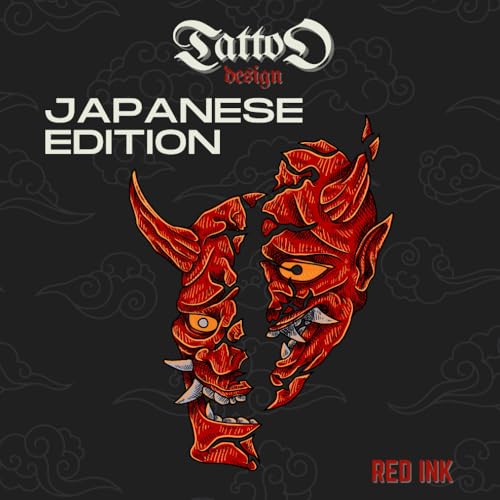
- 350+ Japanese tattoo designs
- Black-and-white and color pages
- Includes basic meanings and motifs
Best For: Artists and collectors seeking Japanese tattoo reference art
Modern Color Tattoo Collection
Modern Tattoo Design Book with Color Pictures
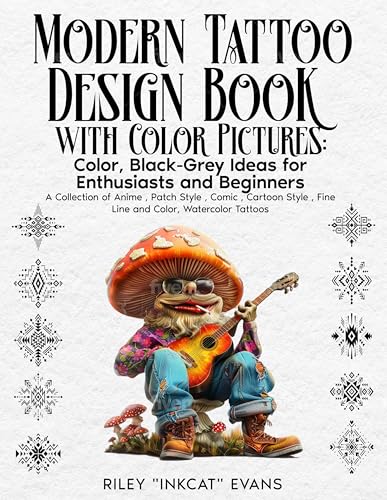
- 200+ modern tattoo designs
- Color and black-grey styles
- Optimized for Kindle screens
Best For: Readers who want modern tattoo inspiration on a digital device
Full-Color Tattoo Flash Book
Tattoo design book: Over 150 full color designs

- 150+ full-color tattoo designs
- American traditional and oriental styles
- Made for pro and amateur artists
Best For: Tattoo artists wanting a large flash-sheet style reference
Skin-First Color Guide – Color Theory for Tattooing
If you want a tattoo color theory book built specifically for living skin, this one goes straight to the practical questions that affect healed results. It focuses on how color behaves on tattooed skin, from CMY thinking and value control to undertone, saturation, and mixing decisions at the station.
Best For: Tattoo artists who want a skin-first, technique-driven guide to color choices, healing, and mixing.
Pros:
- Built specifically for tattooing, not painting or screen design.
- Covers CMY thinking, value, saturation, undertone, and skin depth.
- Includes dirty dipping, darkening with color, and real station-side tips.
- Expanded second edition adds a full mistake chapter and healed work gallery.
Cons:
- Very focused on color theory, so it is not a broad tattoo fundamentals manual.
- At 76 pages, it is a compact field guide rather than an exhaustive textbook.
Overall, this is a strong pick if you want a compact, practical reference that connects color decisions to how tattoos actually heal. The emphasis on skin optics, mixing, and real examples makes it especially useful at the station.
PMU Skin Science Guide – How Fitzpatrick and Melanin Influence the Cosmetic Tattoo
HOW FITZPATRICK AND MELANIN INFLUENCE THE COSMETIC TATTOO: A Useful Guide for the PMU Artist
Check Price On AmazonIf you are shopping for a tattoo color theory book for PMU, this guide zeroes in on the skin factors that change healed pigment outcomes. It explains how Fitzpatrick type and melanin influence undertones, retention, and color behavior so you can make more informed pigment and protocol choices.
Best For: Permanent makeup artists who want a clinical, skin-focused guide to healed pigment results.
Pros:
- Targets the science behind healed PMU results, not just technique.
- Explains Fitzpatrick type, melanin behavior, and undertone changes.
- Helps readers understand why identical procedures can heal differently.
- Useful for artists working on melanin-rich, mature, or lighter skin types.
Cons:
- Focused on PMU rather than general tattooing.
- Does not appear to be a broad color theory overview.
This is a smart choice if your biggest challenge is inconsistency in healed PMU work. Its strength is in connecting skin characteristics to pigment behavior, which can help you work more intentionally.
Tattoo Composition Manual – Design Theory for Tattooing
If you are comparing a tattoo color theory book and realizing your real issue is design, this volume addresses the problem before the stencil even starts. It focuses on composition, shape, flow, anatomy, and value so the tattoo reads well on the body instead of fighting it.
Best For: Tattoo artists who want to improve composition, flow, and body placement before focusing on the needle.
Pros:
- Centers on composition, which the author says is often the real issue.
- Breaks down five fundamental shapes, gesture, line, and body flow.
- Includes a seven-step workflow from client brief to stencil-on-skin.
- Addresses common design mistakes, including the limb “zipper” problem.
Cons:
- Not a color-focused title, despite being part of the same field manual series.
- At 60 pages, it is a concise guide rather than a deep reference book.
For artists whose work looks clean but does not read well on the body, this book offers a useful reset. It is especially valuable if composition and flow are the missing pieces in your design process.
General Color Reference – The Complete Color Harmony, Pantone Edition
The Complete Color Harmony, Pantone Edition: Expert Color Information for Professional Results
Check Price On AmazonIf you want a tattoo color theory book that is broader and more reference-oriented, this Pantone edition is a strong general color resource. It covers the foundations of color theory, the psychology of color, curated color moods, and forecasting in a format that can support design decisions beyond tattooing.
Best For: Artists and designers who want a general-purpose color reference with Pantone combinations and mood guidance.
Pros:
- Covers the basics of color theory, including hue, saturation, temperature, and the color wheel.
- Includes psychology and cultural analysis for each color of the rainbow.
- Offers 30 color moods paired with 36 Pantone color combinations each.
- Useful as a broad inspiration and reference tool for creative work.
Cons:
- Not tattoo-specific, so it does not address skin, healing, or pigment behavior on skin.
- More of a general color reference than a hands-on tattoo manual.
This is the most general book in the group, which can be a benefit if you want color inspiration and foundational theory. If your priority is tattoo-specific healing and application, another title here will be more targeted.
ColourEd Guide – ColourEd: Cosmetic Tattoo Colour Theory
If you want a tattoo color theory book focused specifically on cosmetic tattooing, ColourEd is built for beginners and experienced PMU artists who need clearer guidance on pigment selection, undertones, and healed results. It walks through skin science, colour theory basics, and colour correction with a practical, cosmetic-tattoo-specific angle.
Best For: Cosmetic tattooists and permanent makeup artists who want a beginner-friendly guide to pigment choice, undertones, and correction basics.
Pros:
- Targets cosmetic tattoo colour theory rather than general art theory
- Covers skin science, skin undertones, and pigment selection
- Includes colour correction and pigment composition concepts
- Designed for both new and experienced cosmetic tattooists
Cons:
- Focused on permanent makeup, so it is not a general tattoo color theory book
- Digital format details may matter if you prefer print learning
Overall, this is a strong specialized option if your main concern is choosing the right cosmetic tattoo pigments and understanding why healed color can shift. It is especially useful when you want foundational guidance tied directly to client results.
Betty Edwards Color – Color by Betty Edwards
If you need a broader tattoo color theory book that teaches how color works before you apply it creatively, Color by Betty Edwards offers a practical foundation. It explains how to see, mix, and combine hues, with exercises and examples that support artists, painters, and designers working with color harmony.
Best For: Artists and creatives who want a practical, general color theory guide for mixing and harmonizing colors.
Pros:
- Distills color theory into a practical learning method
- Includes more than 125 color images and exercises
- Covers hue, value, intensity, and color harmony
- Useful for painting, design, and other color-focused work
Cons:
- Not written specifically for tattooing or permanent makeup
- Less directly applicable if you want pigment selection for skin
This is the best fit if you want a general color fundamentals book rather than a tattoo-specific manual. It offers a strong base for understanding how colors interact, which can still be valuable before moving into more specialized tattoo work.
PMU Color Theory – COLOR THEORY FOR COSMETIC TATTOOISTS
If you are shopping for a tattoo color theory book tailored to permanent makeup, this title is aimed squarely at cosmetic tattooists who want better control over healed results. It focuses on pigment application, skin tone assessment, pigment modifiers, and the common color issues that can create client complaints.
Best For: PMU artists and cosmetic tattooists who want a compact, trade-specific guide to pigment application and color correction.
Pros:
- Written specifically for cosmetic tattooists and PMU work
- Explains why cosmetic tattoos change color and how to diagnose causes
- Covers pigment selection, modifiers, and skin tone assessment
- Addresses brows, eyeliner, lip tattoos, and color corrections
Cons:
- Short length may limit depth for advanced study
- Not a replacement for hands-on practical training
For artists who want a concise, industry-specific reference, this book stays tightly focused on the color problems PMU professionals actually face. It looks especially useful if you need a fast, practical refresher on pigment choices and healed outcomes.
Japanese Tattoo Reference – Tattoo Design Book: Japanese Edition
If you want a tattoo color theory book-style reference focused on Japanese motifs, this volume is built more as a design library than a classroom guide. It offers 350+ black-and-white and color designs, with individual and compound tattoos plus basic meanings, making it useful when you want visual ideas tied to traditional imagery.
Best For: Artists and collectors who want a Japanese tattoo idea book with both color and black-and-white flash options.
Pros:
- Includes over 350 designs for broad visual inspiration
- Mixes black-and-white and color artwork
- Covers individual and compound tattoo concepts
- Includes basic meanings for added context
Cons:
- More of a reference book than a true color theory lesson
- Focused specifically on Japanese tattoo themes
This is a strong pick if your priority is collecting Japanese-style tattoo references with some symbolic context. It’s especially practical for planning, sketching, and comparing design directions before inking.
Modern Color Tattoo Collection – Modern Tattoo Design Book with Color Pictures
For shoppers searching for a tattoo color theory book-like source of inspiration, this digital collection is geared toward visual reference rather than instruction. It includes over 200 unique tattoo designs in vibrant color and black-grey styles, with anime, patch, fine line, watercolor, floral, animal, abstract, and comic themes.
Best For: Beginners and experienced artists who want a modern full-color tattoo inspiration library on a screen.
Pros:
- Over 200 tattoo designs in vibrant color and black-grey
- Covers many modern styles, including anime and watercolor
- Optimized for Kindle screens with high-resolution images
- Useful on phones and tablets for quick browsing
Cons:
- Full-color digital edition only, so it’s screen-first
- Not presented as a step-by-step theory or technique book
If you want fresh tattoo ideas in a compact digital format, this is a practical browse-and-save option. The variety of styles makes it handy for comparing modern color approaches without having to sort through a lot of filler.
Full-Color Tattoo Flash Book – Tattoo design book: Over 150 full color designs
If you’re comparing options for a tattoo color theory book, this title is better understood as a full-color flash-sheet collection. It includes over 150 color designs across american traditional, oriental, flowers, skulls, and other tattoo themes, aiming to inspire both professional and amateur tattoo artists.
Best For: Tattoo artists who want a broad, full-color flash archive for inspiration.
Pros:
- Over 150 full-color tattoo designs
- Includes multiple popular tattoo themes and styles
- Built from flash-sheet archive material
- Aimed at both professional and amateur artists
Cons:
- Format is a print replica, not a hands-on technique manual
- No explicit focus on teaching color theory concepts
This book makes sense if you want a high-volume inspiration source rather than an instructional guide. Its range of classic and modern motifs can be useful when building a color tattoo concept from reference art.
How We Picked the Best Tattoo Color Theory Book
For this roundup, we prioritized books that teach usable color principles, not just broad art theory. We looked for clear explanations of pigment behavior, color harmony, skin tone considerations, and application strategies that matter in tattooing and cosmetic work.
We also favored titles with a strong professional angle, readable structure, and enough depth to support both beginners and experienced artists refining their workflow.
Quick Comparison
The best Tattoo Color Theory Book for you depends on your focus. Some options lean toward general color mastery and foundational theory, while others are more specialized for tattooing, PMU, or design inspiration. If you want a broader art reference, choose a classic color-harmony title. If you want tattoo-specific guidance, prioritize books that discuss pigment selection, skin interaction, and practical application.
Key Buying Factors for a Tattoo Color Theory Book
Skin Tone and Undertone Guidance
Look for books that explain how color behaves on different skin tones, especially for tattooing and cosmetic applications. This is one of the most valuable areas for artists because it affects saturation, contrast, and healed appearance.
Pigment Mixing and Selection
A strong Tattoo Color Theory Book should cover how to mix, balance, and choose pigments with intent. Clear guidance here can help reduce muddy blends and improve consistency from design to final result.
Practical Examples
Examples, charts, and visual demonstrations are more useful than abstract theory alone. Books with real-world references make it easier to apply what you learn to client work and design planning.
Specialty Fit
Some books are better for traditional tattooing, while others are aimed at cosmetic tattooing or broader art/color education. Choose based on whether you need studio-ready tattoo advice, PMU-specific guidance, or a general foundation in color relationships.
Who Should Buy Which Tattoo Color Theory Book?
Beginners should start with a clear, fundamentals-first title that explains color mixing and harmony without assuming prior knowledge. Working tattoo artists may prefer a more applied book that focuses on pigment behavior and skin interaction. PMU professionals should look for books tailored to cosmetic tattooing and complexion-aware color selection.
If you want a broader creative reference rather than a technical manual, a general color theory title can still be highly useful for improving design choices, palette building, and composition. For the most practical value, pick the book that matches your medium and skill level instead of buying purely on title keywords.