Dim rooms, uneven lighting, and evening calls can make ordinary webcams look noisy, soft, or washed out. The best webcams for low light use larger or more sensitive image sensors, exposure processing, autofocus, or built-in lighting to preserve a clearer image.
This roundup includes practical USB webcams for meetings and streaming, plus specialized camera modules with infrared vision, STARVIS sensors, high-speed capture, or manual zoom. Use the guide below to match resolution and low-light performance with your workspace, software, and budget.
Best 10 Webcams for Low Light Picks for 2026
Best All-Around Pick
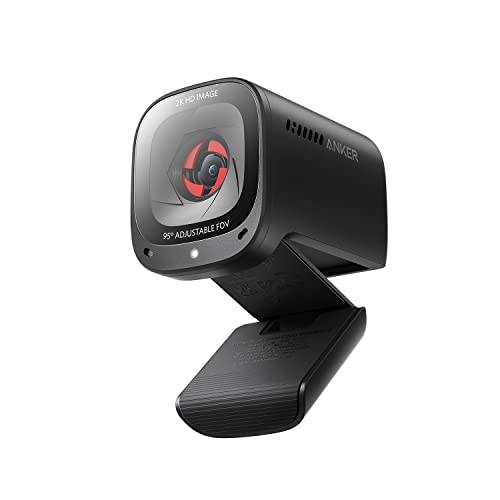
- 2K video with low-light correction
- AI noise-canceling dual microphones
- Adjustable angle and built-in privacy cover
Best For: Home offices and dim-room video calls
Best for Night Vision
Arducam 1080P Day & Night Camera

- Automatic IR-cut day/night switching
- 850nm IR LEDs for nighttime imaging
- UVC support across major operating systems
Best For: Surveillance and embedded night-vision projects
Best with Built-In Lighting

- 4K at 30fps or 1080p at 60fps
- Three-color, dimmable ring light
- TOF autofocus and noise-canceling microphones
Best For: Streaming and calls in rooms needing extra front light
Best Compact Low-Light Module

- STARVIS 2 sensor for dim environments
- Tiny 19.5 × 15 × 17.3 mm module
- 1080p30, 95° view, and 1.2W power use
Best For: DIY, Raspberry Pi, security, and embedded projects
Best Premium Pick

- Sony 4K sensor with 1080p/60fps support
- Tri-tone ring light with stepless brightness
- PDAF autofocus, noise-reducing mics, and privacy shutter
Best For: Creators and professionals seeking premium low-light video
Best Dedicated Low-Light Camera

- Back-illuminated IMX462 sensor for dim scenes
- Up to 80 fps at 720p
- 98-degree view with manual M12 focus
Best For: Monitoring, Linux setups, and specialized low-light capture
Best for Adjustable Close-Ups
ELP 1.3MP 4X Varifocal Low-Light Webcam

- 2.8-12mm manual varifocal lens with 4x optical zoom
- 0.01-lux low-light specification
- UVC plug-and-play with a 3-meter cable
Best For: Close-up demonstrations and adjustable monitoring setups
Best for Extremely Dark Scenes
ELP 1080p 10X Starvis Low-Light Webcam

- 0.0001-lux stated minimum illumination
- 5-50mm manual lens with 10x optical zoom
- 1080p at 30fps with H.264 support
Best For: Severe low-light monitoring and embedded machine vision
Best for 1080p Low-Light Streaming
SVPRO IMX323 Varifocal Low-Light Webcam

- Sony IMX323 sensor with 0.01-lux low-light rating
- 2.8-12mm manual varifocal lens
- 1080p at 30fps with H.264 compression
Best For: Dim-room streaming and flexible mounted setups
Best All-Around Pick – Anker PowerConf C200 2K
The Anker PowerConf C200 is a practical choice among webcams for low light when you want sharper-than-HD video without adding a separate lamp. Its low-light correction, autofocus, adjustable viewing angle, and integrated privacy cover suit home offices, meetings, and late-night calls.
Best For: Home-office users who want 2K video, clear voice pickup, and flexible framing in dim rooms.
Pros:
- 2K resolution provides detailed video for conferences and calls.
- Low-light correction is designed to produce crisp images in dim settings.
- Dual microphones include AI noise cancellation for clearer speech.
- Offers 65°, 78°, and 95° viewing angles through software.
Cons:
- It is a standard webcam rather than a dedicated infrared night-vision camera.
- Compatibility is listed for Windows 7 or later and macOS 10.11 or later, not every operating system.
The C200 is the most balanced option here for everyday video calls. It combines useful low-light correction with 2K detail, audio processing, and privacy features in a compact USB webcam.
Best for Night Vision – Arducam 1080P Day & Night Camera
The Arducam B0205 stands apart from typical webcams for low light with automatic IR-cut switching and infrared LEDs. It is intended for all-day imaging, changing between visible-light capture during the day and infrared sensitivity at night.
Best For: Surveillance, baby-camera, wildlife, dashcam, and other projects that need actual infrared night vision.
Pros:
- Automatic IR-cut switching adapts to changing light conditions.
- 850nm IR LEDs support nighttime imaging.
- Captures up to 1920×1080 video with a 2MP OV2710 sensor.
- UVC plug-and-play support works with Windows, Linux, macOS, Android, and Raspberry Pi applications.
Cons:
- The compact camera board is more suited to installations and projects than a conventional mounted conference webcam.
- High-resolution frame rates vary by format and resolution, with 1080p listed at lower rates for some modes.
- The notes do not identify a built-in microphone or privacy cover.
If nighttime visibility matters more than polished video-conferencing features, the B0205 is the specialized pick. Its IR system makes it better suited to monitoring and embedded applications than ordinary dim-room calls.
Best with Built-In Lighting – 4K Webcam with Ring Light
This 4K webcam addresses low-light video by combining high-resolution capture with a built-in ring light. Its three color-temperature settings, touch controls, and adjustable brightness let you add front lighting instead of relying only on software correction.
Best For: Streamers, remote workers, and presenters who want adjustable lighting and high-resolution video from one USB camera.
Pros:
- Supports 4K at 30fps and 1080p at 60fps.
- Built-in ring light offers white, natural, and warm color settings.
- TOF autofocus helps keep faces and moving subjects in focus.
- Dual noise-canceling microphones and a sliding privacy cover are included.
Cons:
- Its 78° viewing angle is narrower than some wide-angle webcam options.
- The ring light requires manual brightness and color adjustment to match the room.
- The supplied details do not specify the exact maximum recording length or software controls.
The built-in light is the main advantage for low-light calls and streams, while 4K capture provides extra detail. It is a strong fit when you prefer an integrated lighting solution over buying a separate desk light.
Best Compact Low-Light Module – Arducam STARVIS 2 1080P
The Arducam B0630 is a miniature USB camera module built specifically for constrained installations and low-light imaging. Its STARVIS 2 sensor improves near-infrared sensitivity and reduces noise, making it a useful alternative to conventional webcams for embedded or DIY systems.
Best For: Raspberry Pi projects, robotics, home security, machine vision, and other space-limited deployments.
Pros:
- STARVIS 2 technology is designed for bright, detailed images in dim environments.
- Its 19.5 × 15 × 17.3 mm size suits compact installations.
- Records 1080p video at up to 30fps with a 95° diagonal field of view.
- Low 1.2W power consumption supports continuous and battery-powered applications.
Cons:
- The module form factor is less convenient for ordinary laptop video calls than a finished desktop webcam.
- Optimal Linux 1080p30 performance requires selecting MJPG or H.264 in the application.
- The listed warranty is six months.
For buyers building a custom camera system, the B0630 offers the most targeted low-light hardware in this group. Its tiny footprint, STARVIS 2 sensor, and USB-C connectivity prioritize integration flexibility over plug-and-play conference styling.
Best Premium Pick – NexiGo N680E Pro 4K Webcam
If you want webcams for low light that also deliver high-end image quality, the NexiGo N680E Pro combines a Sony 4K sensor with a built-in tri-tone ring light. It also supports 1080p at 60 fps, making it a versatile option for streaming, meetings, and recording.
Best For: Content creators, streamers, and professionals who want 4K video, adjustable lighting, and automatic focus.
Pros:
- Sony 1/2.5-inch 4K sensor produces detailed video.
- Tri-tone ring light offers adjustable color temperature and stepless brightness.
- PDAF autofocus and dual noise-reducing microphones support polished calls and streams.
- Includes a physical privacy shutter and USB plug-and-play setup.
Cons:
- 4K output depends on the camera software being used.
- Uses USB-A, so some USB-C devices may require an adapter.
The N680E Pro is a strong all-around choice when low-light capability, sharp 4K detail, and convenient built-in illumination matter more than keeping the setup minimal.
Best Dedicated Low-Light Camera – Arducam IMX462 USB Camera
For buyers specifically searching for webcams for low light, the Arducam B0496C stands out with its back-illuminated Sony IMX462 sensor and onboard image-processing features. Its manual-focus lens and wide viewing angle make it especially useful for monitoring, recording, and specialized computer-camera setups.
Best For: Home security monitoring, 3D printer observation, conference setups, and general-purpose capture on Windows or Linux.
Pros:
- Back-illuminated IMX462 sensor is designed for sharp low-light imaging.
- Supports up to 80 fps at 720p for fast-moving or monitoring applications.
- 98-degree diagonal field of view covers a broad scene.
- USB 3.0 plug-and-play compatibility with Windows and Linux.
Cons:
- Manual focus requires adjustment rather than automatic subject tracking.
- Maximum video resolution is 1080p, not 4K.
- Its specialized module design may be less convenient for typical video calls.
The Arducam is a practical choice when low-light sensor performance and flexible capture rates are priorities. Its manual focus and specialized design are better suited to controlled or monitoring applications than casual conferencing.
Best Value Ring-Light Option – Angetube 4K Webcam with Ring Light
The Angetube 967 Ultra is a convenient pick among webcams for low light because it pairs 4K video with a built-in three-level ring light. PDAF autofocus, dual microphones, and plug-and-play USB connectivity make it suited to everyday meetings, online classes, and live streaming.
Best For: Home offices, video calls, online learning, and late-night streaming where simple built-in lighting is useful.
Pros:
- Supports 4K at 30 fps and 1080p at 60 fps.
- Three brightness settings help illuminate dim workspaces.
- PDAF autofocus keeps the subject sharply focused.
- Includes dual microphones, a privacy shutter, and a USB-C adapter.
Cons:
- The ring light offers three brightness levels rather than stepless adjustment.
- Available specifications identify a 1/2.7-inch sensor, smaller than the sensor in the NexiGo option.
This Angetube model balances high resolution and straightforward lighting controls. It is a sensible choice for users who want an easy, ready-to-use low-light webcam without adding a separate light.
Best for Adjustable Close-Ups – ELP 1.3MP 4X Varifocal Low-Light Webcam
If you need webcams for low light that can also frame subjects at changing distances, this ELP model offers a practical manual-zoom design. Its 2.8-12mm lens, 0.01-lux low-light rating, and 960p output suit close-up demonstrations, monitoring, and other setups where fixed-focus webcams are limiting.
Best For: Close-up work, electronics demonstrations, basic monitoring, and users who want manual framing control.
Pros:
- 2.8-12mm varifocal lens provides up to 4x optical zoom and manual focus.
- 0.01-lux low-light specification supports day and night viewing.
- UVC plug-and-play compatibility works with Windows, Mac, Linux, Android, and Raspberry Pi.
- Metal housing, tripod mounting points, and a 3-meter USB cable add installation flexibility.
Cons:
- 960p resolution is below the 1080p output offered by the other listed options.
- Manual focus and zoom require hands-on adjustment.
- Its industrial-style design may be less convenient for ordinary video calls.
This is a specialized low-light webcam rather than a typical consumer conference camera. Choose it when adjustable optical framing and close-up detail matter more than maximum resolution.
Best for Extremely Dark Scenes – ELP 1080p 10X Starvis Low-Light Webcam
Among webcams for low light, this ELP model is designed for especially demanding conditions. It combines a 2MP SmartSens sensor, a stated 0.0001-lux minimum illumination, 100dB wide dynamic range, and a 5-50mm manual zoom lens for flexible 1080p capture.
Best For: Very dark monitoring environments, machine vision, embedded projects, and users who need extensive manual focal-length control.
Pros:
- Stated 0.0001-lux sensitivity targets extremely low-light applications.
- 5-50mm lens offers 10x optical zoom and manual focus control.
- Captures 1080p at 30fps and supports H.264, MJPEG, and YUY2 formats.
- UVC plug-and-play support covers Windows, Mac, Linux, Android, Raspberry Pi, and Ubuntu.
Cons:
- Manual focus, zoom, and aperture adjustments require setup and experimentation.
- The specialized lens and compact embedded-camera design may be excessive for routine video calls.
- No image stabilization is listed.
This is the most specialized option here for severe low-light conditions and long-distance framing. Its strengths are best realized in surveillance, embedded, or machine-vision installations rather than casual desk use.
Best for 1080p Low-Light Streaming – SVPRO IMX323 Varifocal Low-Light Webcam
This SVPRO camera is a sensible choice if you want webcams for low light with full-HD output and straightforward USB setup. Its Sony IMX323 sensor, 0.01-lux rating, 2.8-12mm varifocal lens, and H.264 encoding support streaming and monitoring in dim environments.
Best For: 1080p streaming, video meetings in dim rooms, flexible-distance shots, and wall- or desk-mounted installations.
Pros:
- Sony IMX323 sensor and 0.01-lux specification are designed for low-light capture.
- 2.8-12mm manual varifocal lens supports close and longer-distance framing.
- 1080p video at 30fps with H.264 compression can help transmission efficiency.
- Metal housing, rotatable bracket, and 3-meter cable support flexible mounting.
Cons:
- Manual zoom and focus are less convenient than automatic webcam controls.
- The compact industrial form factor does not include typical consumer webcam features such as an integrated privacy shutter.
- Its low-light rating is less extreme than the 0.0001-lux specification of the ELP Starvis model.
For buyers who want 1080p without giving up adjustable optical framing, this SVPRO offers a balanced middle ground. It is particularly useful when the camera needs to be mounted or positioned away from the computer.
How We Picked These Webcams for Low Light
We focused on cameras that specifically address dim or inconsistent lighting rather than judging resolution alone. Selection factors included sensor sensitivity, low-light correction, infrared or day-and-night capability, HDR or exposure features, autofocus performance, built-in illumination, microphone quality, and compatibility with common computers and video apps.
We also considered setup complexity. Plug-and-play USB webcams are generally the easiest choice for meetings and streaming, while board cameras and manual-zoom models can offer more control but may require careful mounting, lens adjustment, or software configuration.
Quick Comparison
| Best For | Look For | Products In This Roundup |
|---|---|---|
| Video calls | Automatic exposure, autofocus, microphone, privacy shutter | Anker PowerConf C200, NexiGo N680E Pro |
| Streaming | 4K capture, ring light, wide framing, smooth frame rates | 4K Ring Light Webcam, Angetube 4K |
| Very dark scenes | STARVIS sensor, high sensitivity, infrared support | Arducam STARVIS, Arducam Day & Night, ELP STARVIS |
| Custom installations | Manual focus or zoom, interchangeable lens options | ELP Zoom Lens, SVPRO Manual Focus, Arducam USB 3.0 |
Key Buying Factors for Webcams for Low Light
Sensor Sensitivity Matters More Than Resolution
A 4K webcam is not automatically better in a dark room. A sensitive sensor can produce a cleaner 1080p image than a high-resolution camera with a small, noisy sensor. STARVIS-based models and cameras advertised for ultra-low-light use are worth considering when available light is limited.
Decide Whether You Need a Light
A built-in ring light can improve faces during calls and streams, especially when your room has no convenient lamp. It may not illuminate the background, however, and it can create reflections on glasses. For the most natural result, pair a sensitive camera with a soft light positioned slightly to one side.
Check Focus, Framing, and Controls
Autofocus is convenient for moving presenters, while manual focus and zoom are better for fixed installations, product shots, or long-distance framing. Check the stated field of view, lens range, and whether controls are handled in software or directly on the camera.
Match Connectivity and Compatibility
Most listed cameras use USB and UVC support, but high-frame-rate or 4K modes may require USB 3.0 and a compatible app. Confirm operating-system support, cable length, mounting options, and whether your conferencing software can select the desired resolution.
Who Should Buy Which Webcams for Low Light?
Choose the Anker PowerConf C200 or NexiGo N680E Pro for straightforward work calls, autofocus, and everyday convenience. Pick a ring-light 4K model if you stream or want built-in face illumination without adding a separate lamp.
For genuinely dark environments, infrared day-and-night cameras or STARVIS-based Arducam and ELP models are the stronger candidates. Buyers creating a fixed camera station, monitoring setup, or specialized video rig should consider the manual-focus and manual-zoom options, provided they are comfortable with a more hands-on installation.