The best sculpting tools for classrooms help students shape, texture, cut, and refine clay without making lessons harder to manage. For group projects, the right set balances tool variety with safe, practical construction and enough pieces to reduce sharing.
This roundup compares 10 options ranging from large school packs to compact beginner kits, helping teachers choose tools suited to class size, material, student age, and budget.
Best 10 Sculpting Tools for Classrooms Picks for 2026
Classroom Starter Set
Jovi Schoolpack Sculpting Tools

- 48 lightweight plastic tools
- Three shapes and three colors
- Includes a storage can
Best For: Shared clay and modeling activities
Detail-Focused Classroom Kit

- 42-piece mixed assortment
- Double-ended designs
- Supports several clay materials
Best For: Beginner pottery and detailed clay work
Whole-Class Bulk Pick

- 140 tools total
- 20 each of seven tool types
- Durable plastic construction
Best For: Equipping an entire classroom
Compact Wooden Set
S & E Six-Piece Sculpting Tools
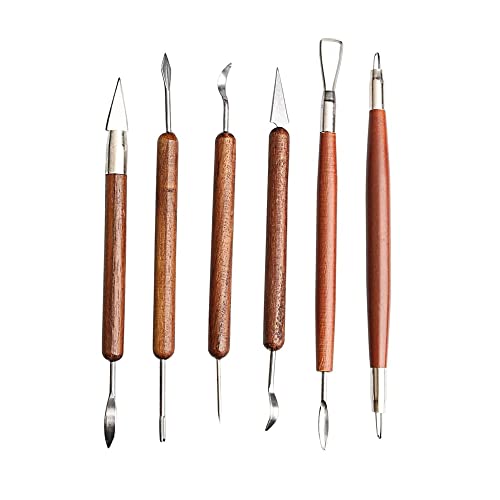
- Six double-sided tools
- 12 working shapes
- Smooth wooden handles
Best For: Small-group pottery and beginner lessons
Flexible Classroom Starter
18-Piece Double-Head Clay Tool Kit

- 18 functional ends across 9 tools
- Sized for children and adults
- Works for sculpting, carving, and finishing
Best For: Mixed-age classrooms and beginner clay projects
All-In-One Activity Set
Langqun 41-Piece Plastic Clay Tool Kit

- 41 pieces for varied clay techniques
- Includes storage box and scraper board
- Light plastic tools suit kids and beginners
Best For: Classrooms needing broad tool variety and storage
Group Project Pick
Pepy 35-Piece Classroom Clay Tool Set

- Five each of 7 shapes
- 35 tools for group activities
- Works with four clay types
Best For: Class lessons where students need matching tools
Budget-Friendly Classroom Pick

- 10 assorted pieces with double-ended designs
- Lightweight, non-toxic plastic construction
- Suitable for clay, pottery, and craft projects
Best For: Elementary arts-and-crafts activities and compact classroom kits
Group Activity Choice
VILLCASE Wooden Clay Sculpting Tools

- 30 tools supplied in three 10-piece packs
- Double-ended heads provide many shapes
- Wooden, approximately 6-inch ergonomic tools
Best For: Classroom centers and group clay activities
Kid-Friendly Starter

- Designed for kids ages 8+ and adults
- Easy-grip plastic tools for beginner projects
- Works with air-dry and polymer clay
Best For: Age-8-and-up classes and beginner clay stations
Classroom Starter Set – Jovi Schoolpack Sculpting Tools
For teachers seeking sculpting tools for classrooms, the Jovi Schoolpack provides 48 lightweight plastic tools in three shapes and three colors. The generous quantity suits shared art activities, while the included can helps keep the set organized between lessons.
Best For: Group clay, plasticine, and modeling activities in classrooms or art clubs.
Pros:
- Includes 48 tools for collaborative projects.
- Three shapes support smoothing, shaping, and imaginative modeling.
- Works with plasticine, air-dry clay, polymer clay, and other modeling compounds.
- Lightweight plastic construction is easy for children to grip.
Cons:
- The small size may be less suitable for adult-sized hands.
- It offers three tool shapes rather than a broad specialty-tool assortment.
This is a practical bulk option when classroom quantity and easy storage matter most. It also supports fine-motor practice for younger learners.
Detail-Focused Classroom Kit – S & E 42-Piece Clay Tools
This 42-piece S & E set gives classrooms a broad selection of sculpting tools for classrooms, including color shapers, hole cutters, ball styluses, and wooden sculpture knives. Its double-ended designs help students try different techniques without needing a separate tool for every task.
Best For: Beginner pottery lessons and projects requiring carving, detailing, shaping, and decorative clay work.
Pros:
- Includes 42 pieces with varied shapes and functions.
- Double-ended tools expand the available working options.
- Compatible with polymer, air-dry, modeling, pottery, and molding clay, plus ceramics.
- Lightweight design supports detailed work.
Cons:
- The assortment may be more extensive than needed for very basic lessons.
- Notes describe the tools as lightweight and sharp, so younger students may need supervision.
Choose this set when variety is more important than a simple starter assortment. It is particularly useful for introducing students to multiple clay techniques.
Whole-Class Bulk Pick – Jack Richeson 140-Piece Set
The Jack Richeson Student Modeling Tool Assortment is built around classroom quantity, with 140 durable plastic tools arranged across seven different tool types. For teachers comparing sculpting tools for classrooms, the large count can simplify distribution during shared modeling lessons.
Best For: Full-class activities that need multiple copies of standard texturing, shaping, and modeling tools.
Pros:
- Provides 140 tools, with 20 of each of seven types.
- Offers consistent tools for distributing across an entire classroom.
- Designed for texturing, shaping, and modeling.
- Made of durable plastic for school, office, or home use.
Cons:
- The set focuses on seven standard tool types rather than a highly specialized assortment.
- Bulk quantity may be unnecessary for small groups or individual users.
This is the strongest quantity-focused choice in the group. Its repeated tool types make it easier to equip many students with comparable supplies during the same lesson.
Compact Wooden Set – S & E Six-Piece Sculpting Tools
For smaller groups or focused lessons, this six-piece S & E set offers 12 working shapes through double-sided wooden tools. These sculpting tools for classrooms have smooth handles and lengths from 6.3 to 7.9 inches, making them a compact option for basic pottery and clay instruction.
Best For: Small-group pottery lessons, beginner practice, and classrooms that need a compact shared kit.
Pros:
- Six double-sided tools provide 12 shapes.
- Smooth wooden handles are designed for comfortable holding.
- Supports smoothing, cleaning, carving, shaping, and sculpting.
- Suitable for beginners, hobbyists, and more experienced users.
Cons:
- Six pieces provide less quantity for large classes.
- Wooden tools may be less convenient than plastic bulk sets for equipping every student.
This set fits teachers who prioritize a manageable tool selection over high piece counts. It works well as a demonstration kit, small-group supply, or supplementary classroom set.
Flexible Classroom Starter – 18-Piece Double-Head Clay Tool Kit
For classrooms that need versatile sculpting tools for classrooms and individual projects, this 18-piece kit offers nine tools with two functional ends each. The 16.3- to 17.3-centimeter size is designed to work for both children and adults, while the varied tips support shaping, carving, smoothing, and detail work.
Best For: Mixed-age classroom groups and beginners who need a compact selection of clay-shaping tools.
Pros:
- 18 functional ends across nine double-headed tools.
- Suitable for children’s grips and adult hands.
- Supports clay sculpting, pottery carving, gum paste, and other crafts.
Cons:
- Provides fewer individual tools than larger classroom-oriented sets.
- The notes do not specify a storage case or board.
This is a practical choice when flexibility matters more than having many duplicate tools. Its double-ended design gives students multiple techniques in a relatively compact kit.
All-In-One Activity Set – Langqun 41-Piece Plastic Clay Tool Kit
When comparing sculpting tools for classrooms, this 41-piece Langqun set stands out for its broad assortment. It combines carving scrapers, rubber nibs, dotting pens, detail tools, shaping tools, a scraper board, a plastic knife, and a storage box for varied clay activities.
Best For: Classrooms and beginner artists that want a wide range of tools and included storage.
Pros:
- Includes 41 pieces covering carving, embossing, shaping, and modeling.
- Offers multiple sizes and shapes for detail work.
- Includes a plastic storage box, scraper board, and plastic knife.
- Light plastic construction is suitable for children.
Cons:
- The large assortment may be more than needed for simple projects.
- The set includes several different tool types, which may require classroom instruction for organized use.
Its comprehensive assortment makes it useful for lessons that move from basic shaping to texturing and fine details. The storage box is also convenient for keeping the many pieces together between classes.
Group Project Pick – Pepy 35-Piece Classroom Clay Tool Set
Designed specifically as a classroom pack, the Pepy set supplies 35 tools in seven shapes, with five of each shape. That duplicate-tool format makes these sculpting tools for classrooms well suited to group activities, while the shapes support scoring, smoothing, texturing, and pattern work across several types of clay.
Best For: Group lessons where multiple students need matching tools at the same time.
Pros:
- Includes five of each of seven tool shapes for 35 total tools.
- Works with air-dry, polymer, pottery, and non-drying plastilina clay.
- Supports scoring, smoothing, pattern-making, and texturing.
- Sturdy plastic is intended for use with firm clays.
Cons:
- Offers seven shape styles rather than a wider assortment of specialized tool types.
- The notes do not mention an included storage container.
For a teacher outfitting a shared work area, the five-of-each layout is the main advantage: students can use the same basic shapes without waiting for a tool to become available. It is a focused, easy-to-distribute option for hands-on clay lessons.
Budget-Friendly Classroom Pick – Outus Plastic Clay Tool Kit
For classrooms needing versatile sculpting tools for classrooms, this 10-piece plastic set covers basic shaping, carving, smoothing, and texturing tasks. Its assorted double-ended designs provide several tool shapes without adding much weight or storage bulk.
Best For: Elementary arts-and-crafts activities, home-school projects, and clay or cake-decorating demonstrations.
Pros:
- Includes seven double-ended tools, two pointed tools, and one scraper.
- Assorted spherical, bone, shovel, comb, cone, and shell shapes support varied textures and details.
- Plastic handles are designed for comfortable use and are described as non-toxic.
- Works with clay, modeling compounds, ceramics, pottery, and some baking projects.
Cons:
- Plastic construction may be less suitable for heavy-duty or highly demanding studio work.
- The 10-piece quantity may be limiting for larger group activities unless students share.
This is a practical starter option when affordability, lightweight handling, and broad craft compatibility matter more than professional-grade durability. The double-ended format also helps students experiment with multiple techniques using a compact kit.
Group Activity Choice – VILLCASE Wooden Clay Sculpting Tools
When shopping for sculpting tools for classrooms, quantity can be as important as variety. This VILLCASE set includes 30 wooden tools arranged as three 10-piece packs, giving groups more shared supplies for cutting, shaping, carving, and smoothing clay.
Best For: Classroom centers, beginner workshops, and group clay activities where multiple students need access to tools.
Pros:
- Provides 30 tools across three packs, supporting shared classroom use.
- Double-ended designs offer 20 shapes per 10-tool pack for varied techniques.
- Natural wood construction is intended for repeated clay-art use.
- Approximately 6 inches long for a comfortable grip during detailed work.
Cons:
- Wood may require more careful cleaning and storage than smooth plastic tools.
- The supplied notes do not specify age guidance or whether the tools are non-toxic.
The three-pack format is the main advantage for educators: it offers more individual tools than many small starter kits and can reduce waiting during group projects. Its wooden construction and multiple head shapes make it a flexible choice for introductory clay instruction.
Kid-Friendly Starter – LINPHCEY Air Dry Clay Tools
For younger learners seeking sculpting tools for classrooms, the LINPHCEY kit is designed for kids ages 8 and up and adults. Its easy-grip plastic tools support air-dry clay, polymer clay, modeling, and other beginner-friendly DIY projects.
Best For: Age-8-and-up art classes, beginner clay stations, and guided projects focused on safe, approachable handling.
Pros:
- Designed for kids ages 8 and up as well as adults.
- Ergonomic handles and child-safe materials are intended for comfortable use.
- Multi-functional shapes include spheres, combs, and shovels for varied details.
- Compatible with air-dry clay, polymer clay, cake decorating, and related crafts.
Cons:
- Age guidance makes it less suitable for classrooms serving children under eight.
- The supplied notes do not state the total number of tools included.
- Plastic construction may not meet the needs of advanced, heavy-duty sculpting.
This set fits classrooms that prioritize accessible handling and beginner-oriented projects. The stated age range, smooth surfaces, and varied tool shapes make it a useful option for structured clay lessons without requiring advanced equipment.
How We Picked the Best Sculpting Tools for Classrooms
We focused on the features that matter most in a shared learning environment: piece count, tool variety, ease of cleaning, grip and handling, storage practicality, and suitability for materials such as air-dry clay, polymer clay, modeling dough, and pottery clay. Larger assortments can support stations or full classes, while smaller kits may work better for individual students, demonstrations, or small groups.
Because classroom use involves repeated handling, plastic tools are often a practical choice for younger students and routine cleanup. Wooden tools can provide a different feel and useful shaping edges, but they may require more careful storage and drying. Always check the manufacturer’s age guidance and inspect tools periodically for cracks, sharp points, or loose components.
Quick Comparison
| Best for | What to prioritize | Recommended assortment type |
|---|---|---|
| Full classrooms | High piece count and duplicate tools | Bulk school packs or large assortments |
| Small groups | Balanced selection of shaping and texturing tools | 30- to 42-piece kits |
| Beginners | Simple double-ended tools and lightweight handles | Compact 10- to 18-piece sets |
| Advanced projects | Specialized edges, carving tips, and varied profiles | Broad polymer-clay or pottery assortments |
Key Buying Factors for Sculpting Tools for Classrooms
Piece Count and Duplication
A high count is useful only when the assortment includes practical duplicates. Multiple copies of common shaping tools help prevent interruptions during group activities. Sets with many different tools may offer more techniques but can be harder to organize and distribute.
Tool Variety
Look for a combination of cutting edges, pointed tips, rounded ends, flat blades, texture tools, and modeling paddles. Double-ended designs provide more functions while taking up less storage space.
Safety and Age Suitability
For younger learners, choose lightweight tools with rounded or blunt working ends and avoid unnecessarily sharp blades. Older students may benefit from more precise carving tools, provided the teacher can establish clear handling and cleanup procedures.
Materials and Maintenance
Confirm that the tools match the clay used in class. Plastic is generally easy to wipe clean, while wooden tools may absorb moisture or pigment. A labeled bin, tray, or zippered case can reduce lost pieces and speed up transitions between activities.
Who Should Buy Which Sculpting Tools for Classrooms?
Teachers outfitting a full class should start with a bulk school pack or a large assortment that supplies repeated tools. This is the most efficient choice for regular stations and shared projects.
Art teachers running varied lessons may prefer a 30- to 42-piece kit with broad tool coverage. These sets offer enough variety for texture, shaping, embossing, and basic carving without requiring several separate purchases.
Parents, homeschool groups, and small workshops can save space with a compact beginner kit. Smaller sets are easier to distribute and store, especially when only a few students are working at once.
Classes focused on polymer clay or detailed modeling should prioritize fine tips, carving edges, and multiple tool profiles over sheer piece count. Before buying, compare the number of usable sculpting functions, not just the number printed on the package.